

Keeping up with household chores can feel like a lot, which is why more households are turning to smart home devices for a helping hand. Robot vacuums may once have felt like a luxury, but today’s models are smarter, more powerful and more affordable, making everyday cleaning much easier. Some advanced models even combine vacuuming with a built-in mop function, helping tackle both dust and spills in one go. In this guide, we’ll explain what to look for in a robot vacuum cleaner and help you find the right model for your home, lifestyle and budget.
Are robot vacuums worth it?
Robot vacuums are designed to save time and effort, but like any household device, they have strengths and limitations. Here’s a balanced look at the pros and cons to help you decide if one is right for your home.
Pros
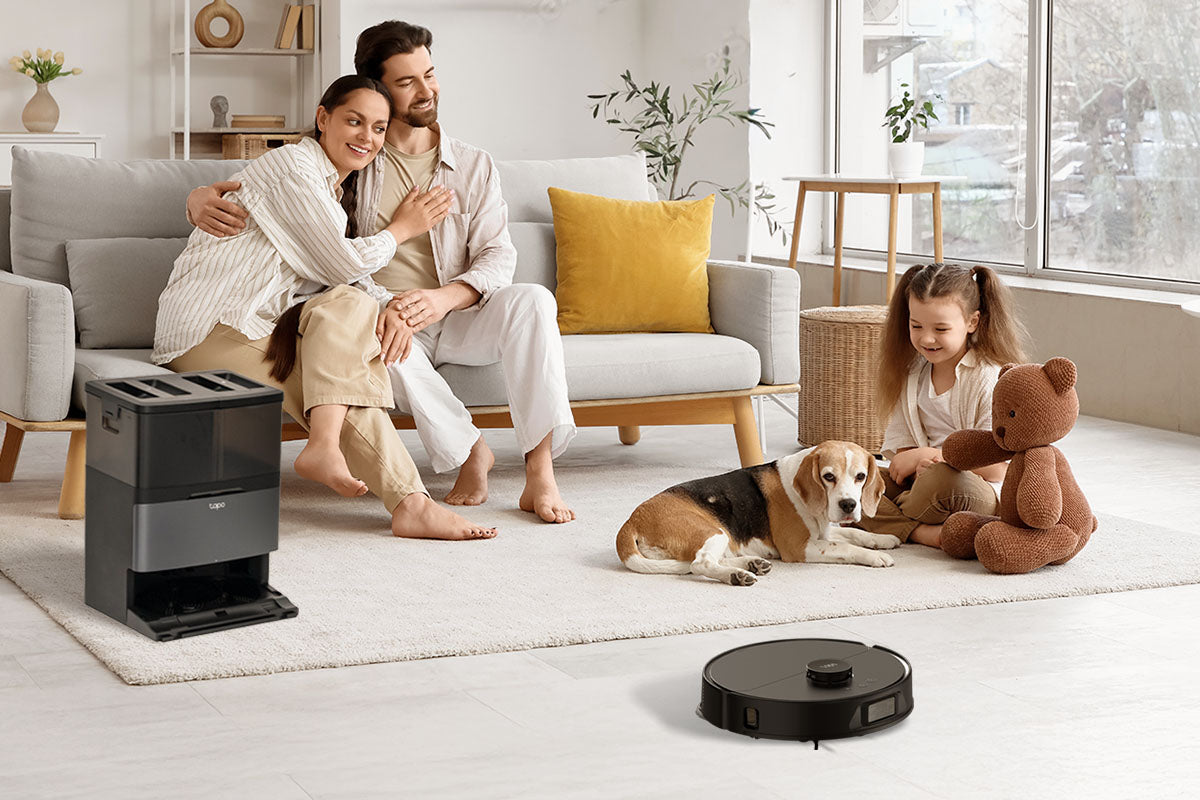
- Time-saving: A robot vacuum cleans automatically on set schedules, freeing you up to focus on other tasks. They’re particularly helpful for busy households with children or/and pets, keeping floors clear of crumbs, dust, and everyday mess with minimal effort.
- Consistent cleaning: With programmed routines and smart navigation, they can run daily to keep dust and dirt from building up.
- Slim, low-profile design: Their low height allows them to clean beneath beds, sofas and other furniture that can be difficult to reach with a traditional vacuum.
- Smart Features: Many models integrate with smart home systems, offer custom cleaning modes, virtual boundaries, remote scheduling from your phone, even when you’re not at home.
- Hands-free convenience: Most robot vacuums return to their docks automatically to recharge, and advanced models can empty dustbins themselves.
- Dual / All-In-One Functionality: Some robots combine vacuuming and mopping, tackling both dirt and spills more efficiently. And for those who want hands-free cleaning, premium models like Tapo’s RV50 Omni take convenience even further with powerful suction and advanced automation.
Cons
- Higher upfront cost: Robot vacuums can be more expensive than traditional vacuums, especially advanced models.
- Weaker suction power than Corded vacuum: While suction is improving, robot vacuums are not yet a full replacement for manual vacuuming.
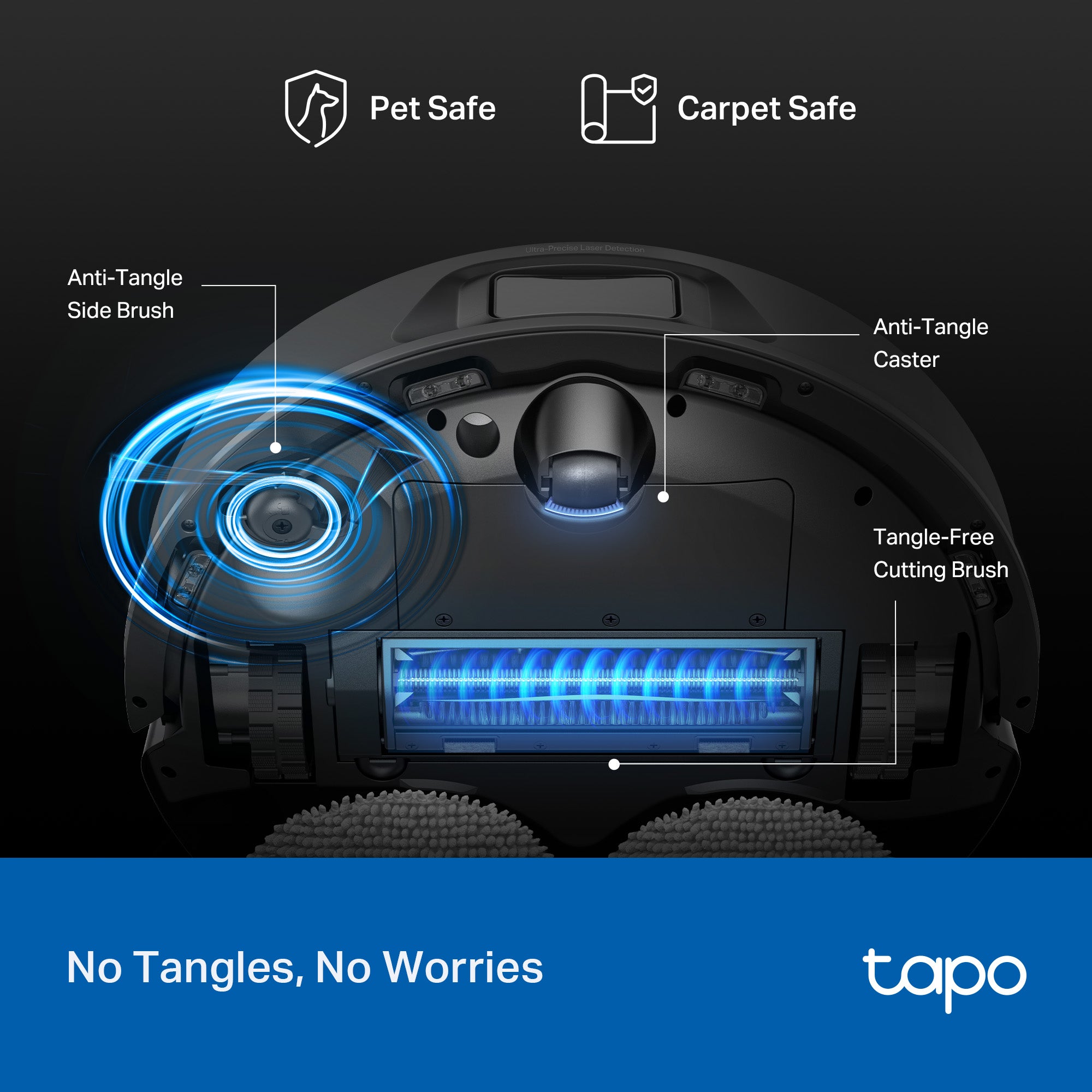
- Regular upkeep: Like traditional vacuums, robot vacuums still need their brushes cleaned and dustbins emptied. Hair can wrap around standard brushes, while smaller dustbins may require more frequent emptying. The Tapo RV50 Omni and RV50 Pro Omni help reduce this work with a tangle-free cutting brush, anti-tangle caster and automatic dust emptying.
- Limited to floor cleaning: They can't clean stairs, upholstery, or above-floor surfaces like cabinets or shelves.
- Navigation limits: Lower-end models may get stuck on obstacles or miss certain areas.
How do robot vacuums work?
Robot vacuum cleaners use a mix of sensors, advanced navigation systems, and suction power to clean floors without human intervention. When switched on, they follow programmed routes across your home, detecting dust, crumbs, and debris along the way. Advanced models use laser or camera-based mapping to scan each room, ensuring no areas are left behind.
Most vacuum robots run for 90 to 150 minutes on a single charge before automatically returning to their dock. Depending on the model, they either recharge themselves or also empty dust into a larger bagless or bagged container. Through mobile apps, you can select zones to clean, create no-go areas, or schedule regular cleans.
For maintenance, dust bins typically need emptying every few days unless paired with an auto-empty dock, while filters and brushes should be cleaned every few weeks. The result is a system that keeps your floors consistently clean with very little manual effort.
Advanced models like Tapo’s new RV50 Pro Omni and RV50 Omni take automation to the next level by combining vacuuming, auto dust-bin emptying, mopping, mop washing and drying, and even mop removal for carpets, all in one hands-free system.
How to choose a robot vacuum
When comparing vacuum robots, a few core features can make a big difference in performance. Here are the key factors to consider.
Suction power
The suction power determines how well a robot vacuum picks up dust, crumbs, and pet hair. It’s measured in Pascals (Pa), with higher numbers indicating stronger cleaning performance. For most hard floors, 2,000–3,000Pa is usually enough, while homes with pets, thick carpets, or heavy debris benefit from 4,000Pa and above. Premium models like Tapo RV50 Pro Omni deliver up to 15,000Pa, offering exceptional cleaning on carpets and outstanding performance with stubborn pet hair. Choosing the right level of suction ensures your robot vacuum can handle your floors effectively without missing debris or getting stuck on high-pile carpets.
Navigation and mapping
How a robot vacuum moves around your home can make a big difference to how efficiently it cleans. More advanced models use LiDAR (Light Detection and Ranging) or camera-based navigation to create detailed maps, plan efficient routes and remember different floors or cleaning zones.
Models such as the RV50 Pro Omni use dToF (direct Time of Flight) navigation for faster, more precise scanning, even in larger or more complex homes. This helps create accurate maps, and reduce the chance of missed areas.
More basic models may use random navigation, moving in less predictable patterns and occasionally missing spots. These models tend to work best in tidy homes with open floor space. Choosing a robot vacuum with reliable navigation helps deliver more thorough, consistent cleaning with less supervision.
Obstacle avoidance
Obstacle avoidance is crucial for preventing your vacuum robot from getting stuck or damaging furniture. Advanced models detect objects such as chairs, toys, or rugs and adjust their path in real time, reducing interruptions and improving cleaning efficiency. Some vacuums even slow down near fragile items or avoid tangling on cords.
Basic models may bump into obstacles more frequently or require manual intervention. Choosing a robot vacuum with reliable obstacle avoidance helps reduce interruptions, protect your furniture and deliver a smoother, more efficient clean.
Mopping Capability
Some robot vacuums go beyond suction and include a built-in mopping function. These models use water tanks and mop pads to wipe floors as they clean, and a few even allow the use of mild detergents for tackling light spills or fine dust. While they can’t fully replace a traditional mop and bucket for deep cleaning, they’re excellent for day-to-day maintenance.
If you have tiled, laminate, or wooden floors, a vacuum robot with a mopping function can help keep them looking fresh with minimal effort. Premium models like the RV50 Pro Omni take it further, featuring an extendable mopping arm for better edge coverage and auto-mop removal when moving onto carpets, making floor care more hands-free than ever.
Station types
Docking stations range from simple charging bases to more advanced systems that make everyday cleaning easier. Basic stations automatically recharge the robot, while more advanced models may also empty the dustbin.
Premium all-in-one stations can take care of even more routine maintenance. Both the Tapo RV50 Omni and RV50 Pro Omni use 50°C warm-air drying to dry the mop pads automatically, helping speed up maintenance and reduce unwanted odours. The RV50 Pro Omni also uses 60°C hot water to wash away stubborn dirt from the mop pads without the need for manual scrubbing.
Both models automatically detect carpeted areas and adjust their cleaning approach accordingly. For short-pile carpets, the robot lifts its mop pads to keep them clear of the carpet while vacuuming. Before cleaning long-pile carpets, it returns to the station and removes the mop pads completely, helping prevent moisture or dirt from transferring onto the carpet. For more delicate rugs or carpets, users can also set carpet-avoidance zones so the robot stays off them entirely.
Type of roller brush
The roller brush design impacts how well the vacuum lifts dirt. Rubber brushes are great for pet hair as they’re less likely to tangle, while bristle brushes work well on fine dust but require more maintenance. Some models use a combination for versatile cleaning. Premium models like RV50 Pro Omni, feature a tangle-free cutting brush, which reduces hair buildup and maintenance while maintaining strong cleaning performance.
Tapo’s vacuum robot range
Tapo’s vacuum robots are designed to make smart cleaning reliable, efficient, and affordable. With powerful suction ranging from 5,300Pa to an industry-leading 15,000Pa, intelligent navigation, and user-friendly apps, Tapo models deliver the right balance of performance and value, all without the premium price tag of many competitors.

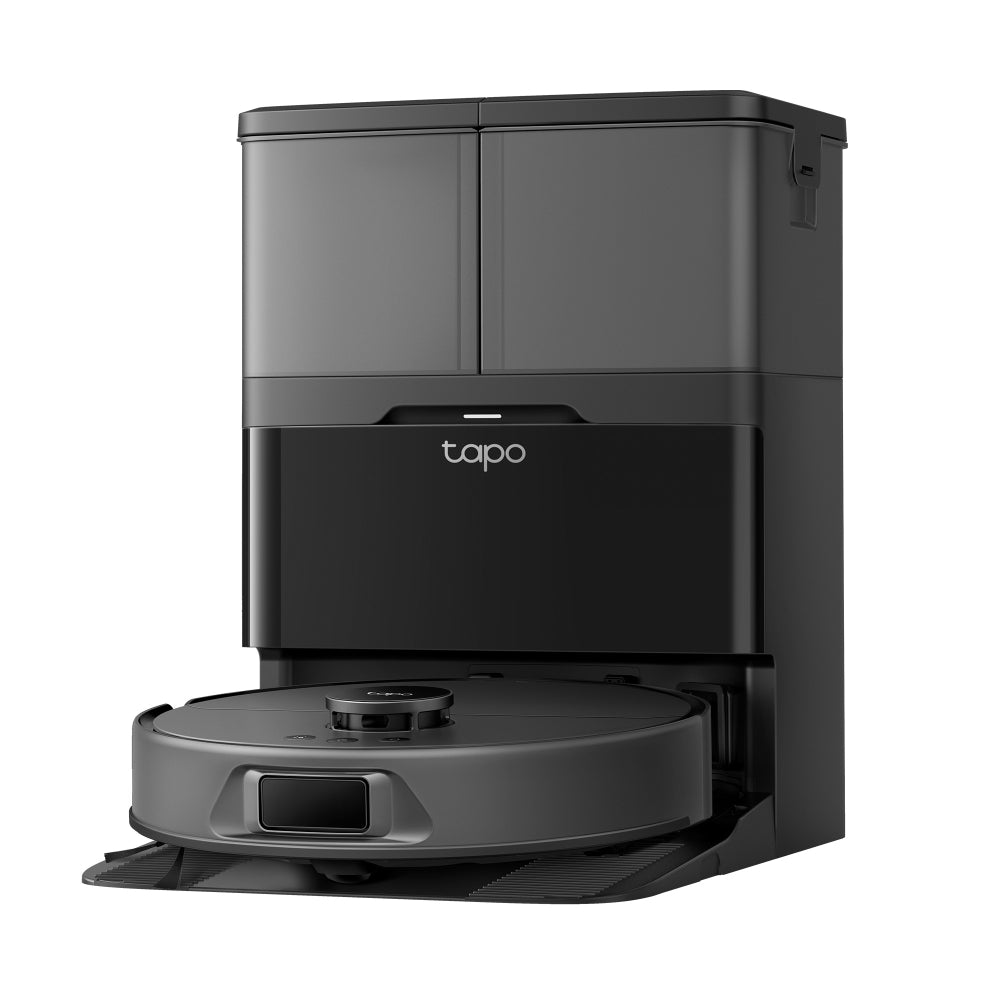

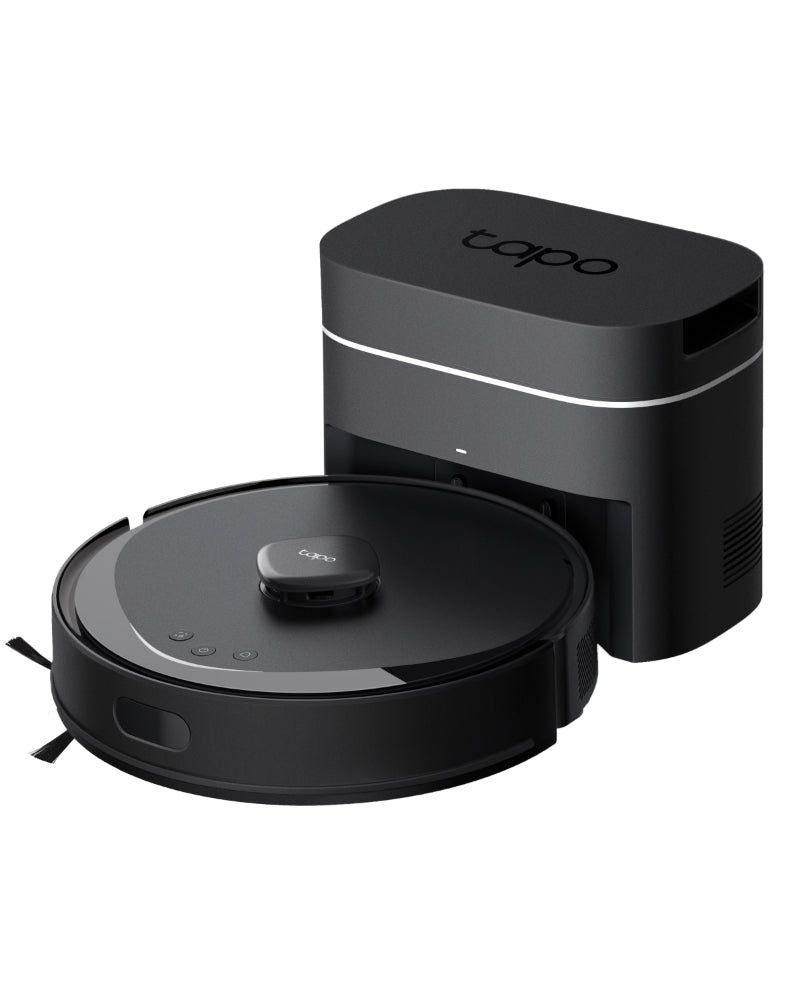
Strong suction power: The RV30 Max Plus Gen 2 delivers up to 13,000Pa of suction, giving it plenty of power for everyday dust, crumbs and pet hair across carpets and hard floors. For more demanding cleaning, the RV50 Pro Omni reaches up to 15,000Pa, while the RV50 Omni combines 12,000Pa suction with more advanced hands-free floor care.
Advanced Navigation: Most Tapo vacuums use LiDAR and IMU (Inertial Measurement Unit) dual navigation for precise mapping and obstacle avoidance. The RV30 Max Plus Gen 2, RV50 Pro Omni and RV50 Omni all use dToF navigation for faster, more precise mapping, helping the robot move smoothly around larger or more complex homes.
Smart Features: Through the Tapo app, you can view maps, divide rooms, set no-go zones, customise cleaning schedules and choose specific areas to clean. Compatible models can also be controlled using Alexa, Alexa+ or Google Assistant.
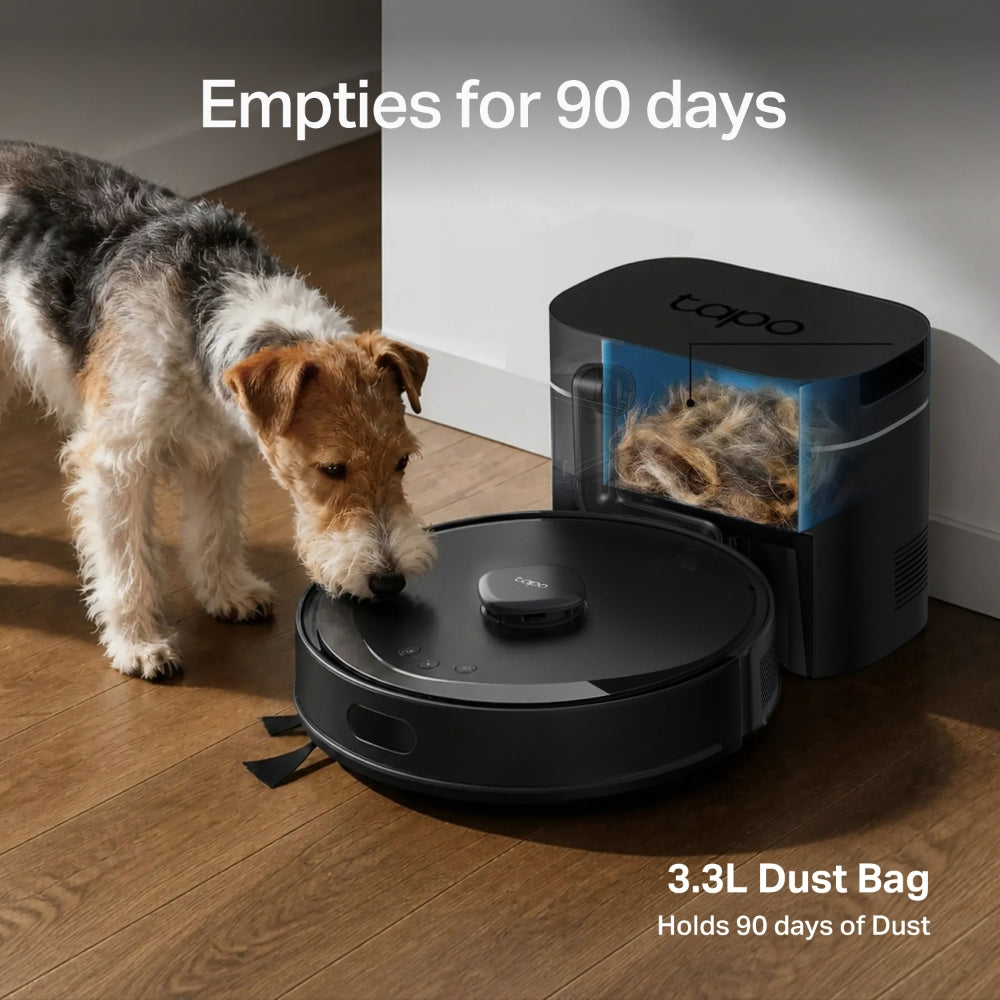
Hands-Free Convenience: Many of our models come with a self-emptying dock to minimise everyday maintenance. The RV30 Max Plus Gen 2 features a compact auto-empty dock with a 3.3L dust bag that can hold up to 90 days of dust. The RV50 Omni and RV50 Pro Omni use an all-in-one station to empty dust, wash and dry the mop pads, dispense detergent, recharge the robot and remove the mops before high-pile carpet cleaning. The RV50 Pro Omni also adds 60°C hot-water mop washing for a deeper clean.
Mopping Capability: Tapo’s vacuums go beyond vacuuming with mopping functions. The RV30 Max Plus Gen 2 supports combined vacuum-and-mop cleaning, while the All-in-one RV50 Pro Omni and RV50 Omni add an extendable robotic arm for more thorough edge cleaning, and auto-mop removal for carpets, allowing seamless transitions without manual swaps.
Long Battery Life: Most Tapo models run up to 180 minutes, cleaning homes in a single session. The RV50 Pro Omni and RV50 Omni offer an extended runtime of up to 250 minutes, making it ideal for larger homes without needing to recharge. All models can climb thresholds up to 0.87 inches, providing smooth room-to-room coverage.
Conclusion
Robot vacuums have come a long way from being simple gadgets. With powerful suction, smart navigation and docking stations that can handle charging, emptying and everyday maintenance, they make it easier to keep floors clean with less effort.
When choosing the right model, consider features such as suction power, mapping technology, obstacle detection and station type. Tapo robot vacuums bring together practical performance, reliable smart features and options for different homes and budgets.
For a closer look at advanced mopping and hands-free floor care, explore our guide to the Best Mopping Robot Vacuum in 2026. Discover how the Tapo RV50 Pro Omni combines powerful cleaning, intelligent navigation and an all-in-one station to make everyday maintenance easier.

Leave a comment
All comments are moderated before being published.
This site is protected by hCaptcha and the hCaptcha Privacy Policy and Terms of Service apply.